Poetry at 12 – The Casa di Goethe in Turin at the Salone Internazionale del Libro
Lectures
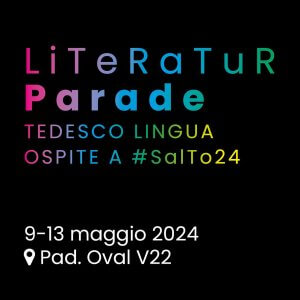
As part of the Literature Parade German as a guest language at #SalTo24, the Casa di Goethe Museum presents LYRIK UM 12 – POETRY AT 12
FRIDAY, 10 MAY 2024 – 12.00 A.M -1.00 P.M. – OVAL V22
Poetry at 12
Fragile present
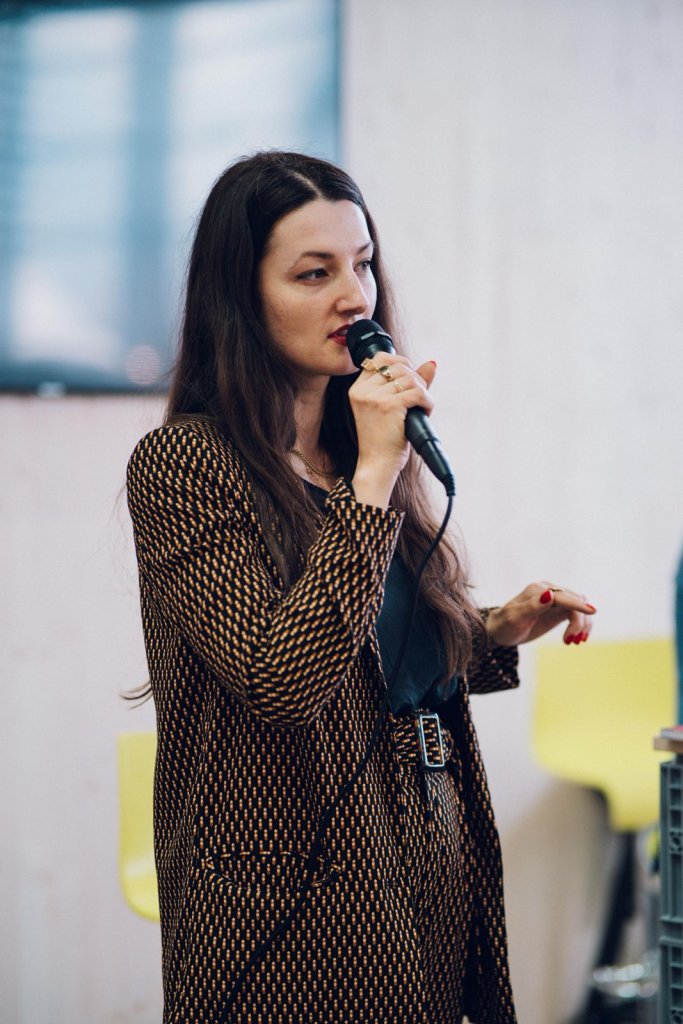
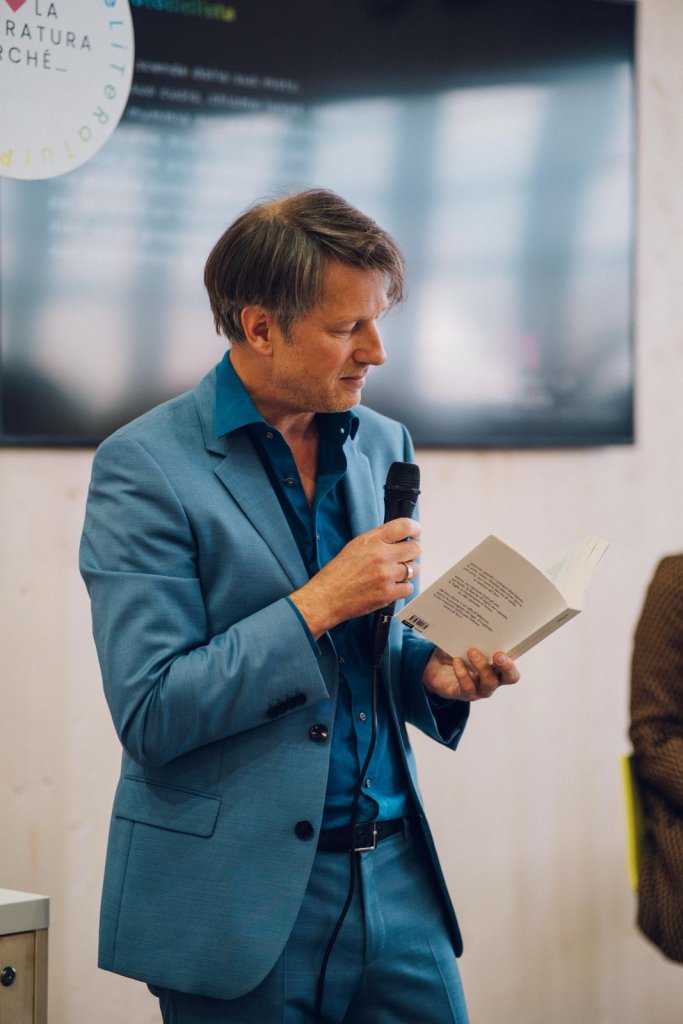
With Simone Lappert (längst fällige verwilderung. Diogenes), Jan Wagner (Steine & Erden. Hanser Berlin), moderated by Gregor H. Lersch, Museum Casa di Goethe
How does contemporary poetry reflect our complex present? The texts by Simone Lappert (b. 1985) from Switzerland and Jan Wagner (b. 1971) from Germany focus on themes such as awakening, emancipation and the remarkable nature of the everyday.

SATURDAY, 11 MAY 2024 – 12.00 A.M -1.00 P.M. – OVAL V22
Poetry at 12
People, animals, landscapes
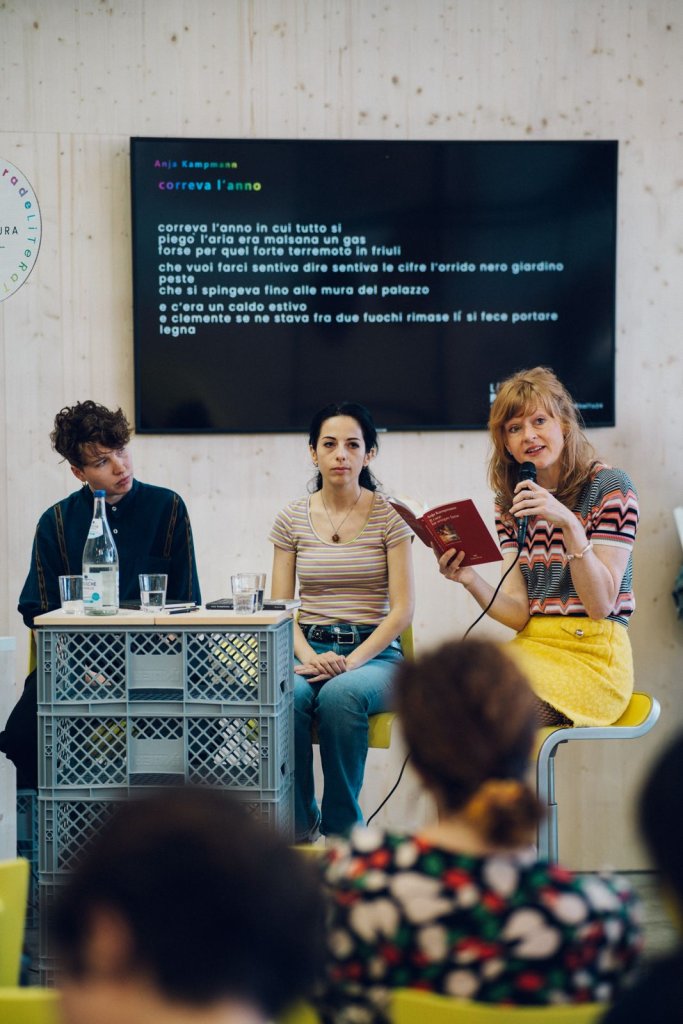
With Anja Kampmann (Il cane ha sempre fame, La nave di Teseo), Eva Maria Leuenberger (dekarnation & kyung, droschl), moderated by Gregor H. Lersch, Museum Casa di Goethe
The beauty and destruction of nature, the human body and the relationship to animals and plants are all powerfully visualised in the poems of German poet Anja Kampmann (b. 1983) and her Swiss colleague Eva Maria Leuenberger (b. 1991).
SUNDAY, 12 MAY 2024 – 12.00 A.M -1.00 P.M. – OVAL V22
Poetry at 12
Values in motion
With Barbara Juch (BARBARA, Verlagshaus Berlin), Sabine Scho (The origin of values, VATMH e. V.), moderated by Maria Carolina Foi, IIC Berlin
The Austrian poet Barbara Juch (born 1988) meets the German Sabine Scho (born 1970) here. With Juch, the scenes of everyday life and here even sport become poetry, whereas Scho sets off on a journey in search of the origins of human values.

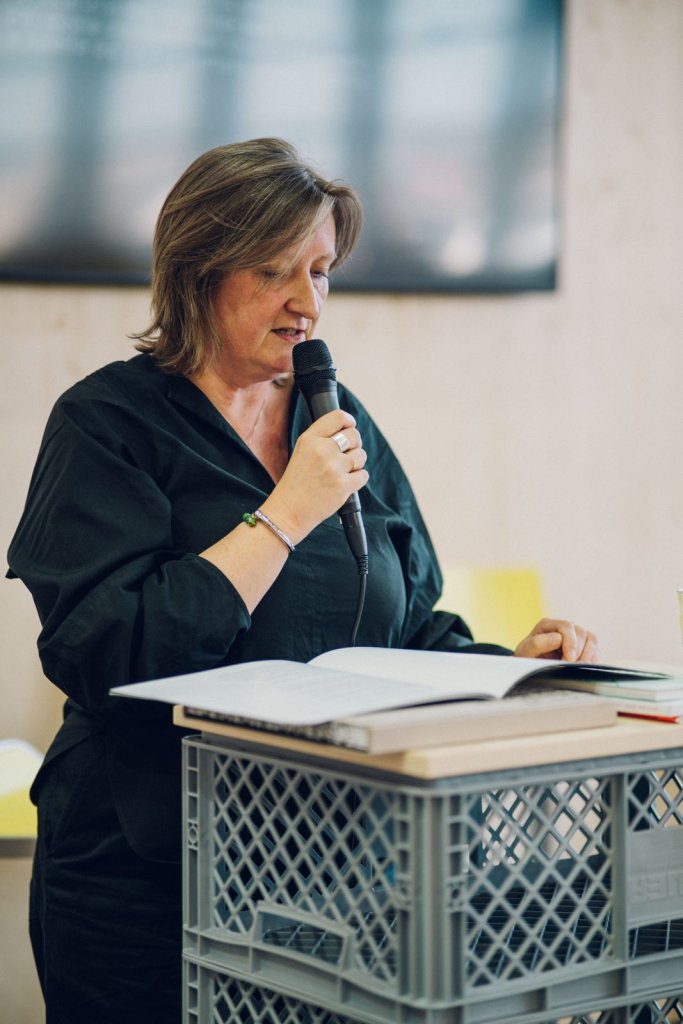
All pictures: Literatur Parade © MBruno CloseUp
The poets:
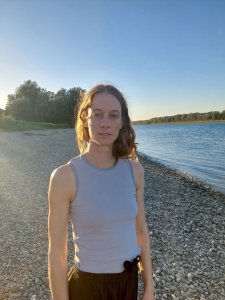
Barbara Juch © Stefi Juch
Barbara Juch, born in 1988 in Klagenfurt and raised in Ferlach, lives in Vienna. She studied American Literature in Vienna and New York, as well as Critical Studies at the Academy of Fine Arts Vienna. Her poetry debut Barbara (2020) and her poetological essay Sport (2023) were published by Verlagshaus Berlin. Juch teaches at the Institute for Language Arts at the University of Applied Arts Vienna.
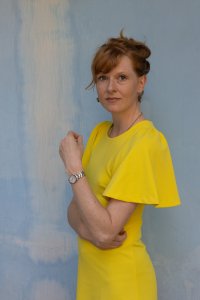
Anja Kampmann © Dirk Skiba
Anja Kampmann, born in Hamburg in 1983, lives in Leipzig and works as a poet, novelist and translator. Her poetry collections Proben von Stein und Licht and Der Hund ist immer hungrig have been published by Hanser, as has her novel Wie hoch die Wasser steigen (High As The Waters Rise). The novel has been translated many times and was a finalist for the National Book Award in the USA. Her poetry has been honoured with various prizes, most recently the Günter Kunert Literature Prize for Poetry and the Marie Luise Kaschnitz Prize.
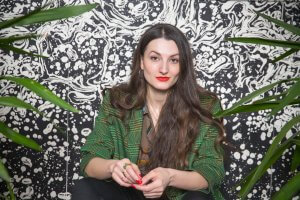
Simone Lappert © Livio Baumgartner
Simone Lappert, born in Aarau, Switzerland in 1985, studied literary writing at the Swiss Institute of Literature in Biel and lives in Zurich. Her debut novel Wurfschatten (Metrolit) was published in 2014. Her novel Der Sprung was published by Diogenes in 2019 and was nominated for the Swiss Book Prize. Her poetic debut längst fällige verwilderung – gedichte und gespinste (Diogenes) followed in 2022. The book received a literary prize from the city of Zurich and was included in the 2023 Poetry Highlights.
Simone Lappert is president of the Basel International Poetry Festival, a member of the jury of the Basel Poetry Prize and was Swiss curator of the Babelsprech.International poetry project. Her literary work has been promoted and awarded several times.

Eva Leuenberger © AF
Eva Maria Leuenberger, born in Bern, studied at the Bern University of the Arts and now lives in Biel. Her work has received several awards, including the Basel Poetry Prize (2020), two literary prizes from the Canton of Bern (2020 and 2022), the Orphil Debut Prize of the City of Wiesbaden (2020) and the Düsseldorf Poetry Debut Prize (2021).
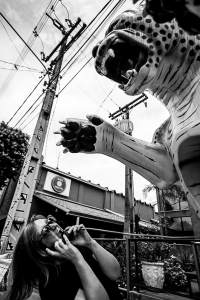
Sabine Scho © private
Sabine Scho, born in 1970, is a photographer and installation artist. She lived in São Paulo from 2006-2014 and now lives in Berlin and Rome. All her texts are located in the border area of photography, drawing, image and installation. Most recently published: Tiere in Architektur, Kookbooks 2013; The Origin of Senses together with Andreas Töpfer, Museum für Naturkunde Berlin 2015; Haus für einen Boxer, Sabine Scho, Sebastian Felix Ernst and Golden Diskó Ship, Hatje Cantz 2021; The Origin of Values, Sabine Scho and Matthias Holtmann. Edited by VATMH e. V., Berlin 2021. 2018/19, German Prize for Nature Writing 2018. Fellow of the German Academy Villa Massimo Rome 2019/2020.
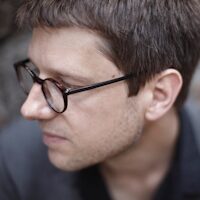
Jan Wagner © Alberto Novelli – Villa Massimo
Jan Wagner, born 1971 in Hamburg, lives in Berlin. In addition to poetry (most recently Steine & Erden, Hanser Berlin 2023), he publishes translations (Charles Simic, Margaret Atwood, Ted Hughes, Dylan Thomas, Simon Armitage, Matthew Sweeney), essays and radio plays. Variazioni su un barile di pioggia (Einaudi 2020) and Autoritratto con sciame d’api (Bompiani 2022) were published in Italian translation by Federico Italiano. He was awarded the Leipzig Book Fair Prize (2015) and the Georg Büchner Prize (2017), among others.
In collaboration with




Bonn/Rome, 9 February 2024
For the sixth time, the jury for the Casa di Goethe scholarship of the Karin und Uwe Hollweg Stiftung (Karin and Uwe Hollweg Foundation) has selected scholarship holders for a working residency in Rome. Since 2013, the scholarship has enabled cultural professionals, such as authors, academics or translators, whose work is dedicated to German-Italian cultural exchange, to live and work for two months in the Museum Casa di Goethe in the historic centre of Rome. The museum is organised by the Arbeitskreis selbständiger Kultur-Institute e. V. (AsKI).
The German-Italian jury (Francesca Melandri, Rome; Prof. Dr Dieter Richter, Bremen; PD. Dr Susanna Brogi, Nuremberg) selected eight scholarship holders who will be guests at the Casa di Goethe from summer 2024:
· Wolfgang Adenberg, author, develops a 10-part television series as a “sitcom” about the life of Johann Wolfgang von Goethe
· Mohamed Amjahid, journalist and author, investigates the history of Italian workers in Germany and their culinary culture
· Dr. Sibylle Benninghoff-Lühl, literary scholar, researches the importance of the botanical garden and herbarium in Rome for Goethe’s botanical studies
· Radek Krolczyk, author and art critic, goes in search of traces of the writer Peter O. Chotjewitz and writes an essay about his time in Italy
· Dr. Theresia Prammer, author and translator, conducts a research into Italian dialect poetry
· Stefan Weidner, author and translator, translates the ancient Arabic, pre-Islamic Mu’allaqat poems anew into German
· Levin Westermann, author, writes a cycle of poems dealing with the rise and fall of the Roman Empire
· Laura Helena Wurth, journalist and curator, creats a radio feature reconsidering the architecture of Rome with a focus on Plautilla Bricci, among others
We would like to thank the Karin und Uwe Hollweg Stiftung for its long-standing support of the scholarship programme.
For further information please contact: AsKI, Prinz-Albert-Str. 34, 53113 Bonn, Tel. 0049/0228/224860; info@aski.org
Casa di Goethe, Via del Corso 18, I – 00186 Rome, Tel. 0039/06/32650412;
info@casadigoethe.it

From 24 March 2024
The Museum Casa di Goethe in Rome is celebrating its 25th anniversary by opening up new perspectives on its permanent exhibition. Students from the Weißensee Art Academy Berlin were invited to design creative interventions to introduce contemporary takes and new observations into the presentation of the institution’s collections, thereby connecting the museum with contemporary society.
The Director of the Casa di Goethe, Dr. Gregor H. Lersch, sees his mission in reinvigorating and reexamining the role of the museum as a cultural link between Italy and Germany against the backdrop of European history and modern developments. In November last year, the Casa di Goethe cooperated with students on the Visual Communication program of the Weißensee Art Academy Berlin, who were invited to work together with on-site experts to analyze the museum and its collections. A workshop conducted with students from the “Accademia di Belle Arti di Roma” also integrated Roman and broader Italian perspectives into the conceptual process. The students developed a special formal vocabulary for the new exhibition elements and interventions.
“The ‘intervenzioni’ are an important first step in this transformation, linking Goethe’s Italian journey much more closely with the here and now. In the apartment in the Via del Corso, in which Goethe and other artists lived from 1786 to 1788, new, innovative perspectives on the Italian journey, the German enthusiasm for Italy, and the complexities of contemporary European history are being developed,” explains Gregor H. Lersch, the museum’s director. The ‘intervenzioni’ can be experienced directly by visitors and are highly visible. It is just a short step from Goethe’s studies of nature to a tactile sensory cabinet, from his surviving travel descriptions of southern Italy as a contact zone to encounters with North Africa, or from historical travel guides to the Lonely Planet. Central questions concerning contemporary Europe are woven into the exhibition on Goethe’s life and times, such as the tense relationship between North and South, the question of the significance of women for Goethe, or the memory of National Socialism. In the ‘intervenzioni’, the story of the Jewish father Guido Zabban are told for the first time: he survived the German occupation in 1943/44 hidden in the mezzanine floor on Via del Corso 18.
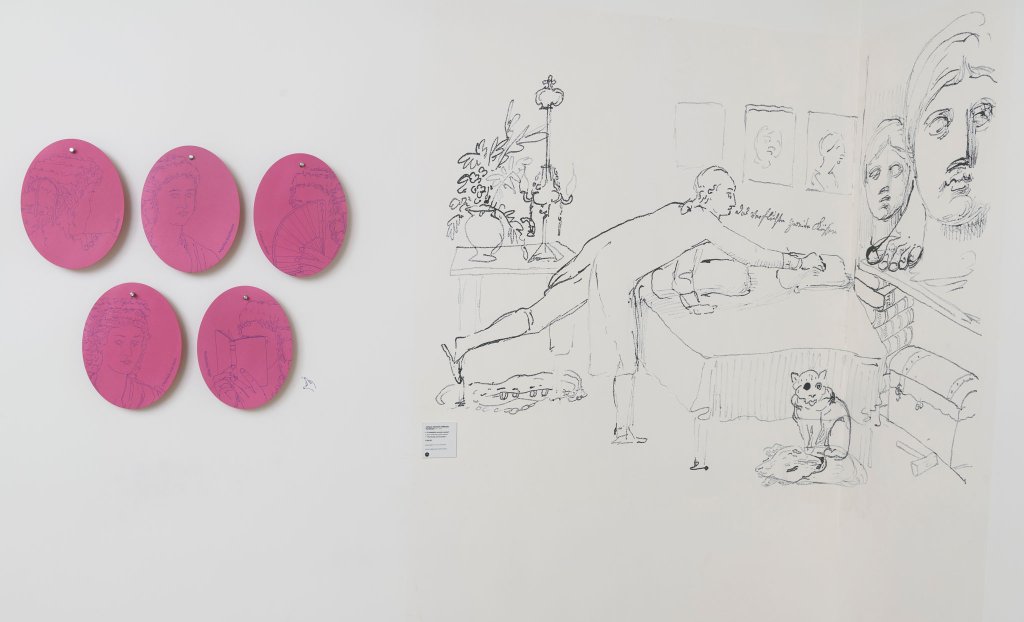
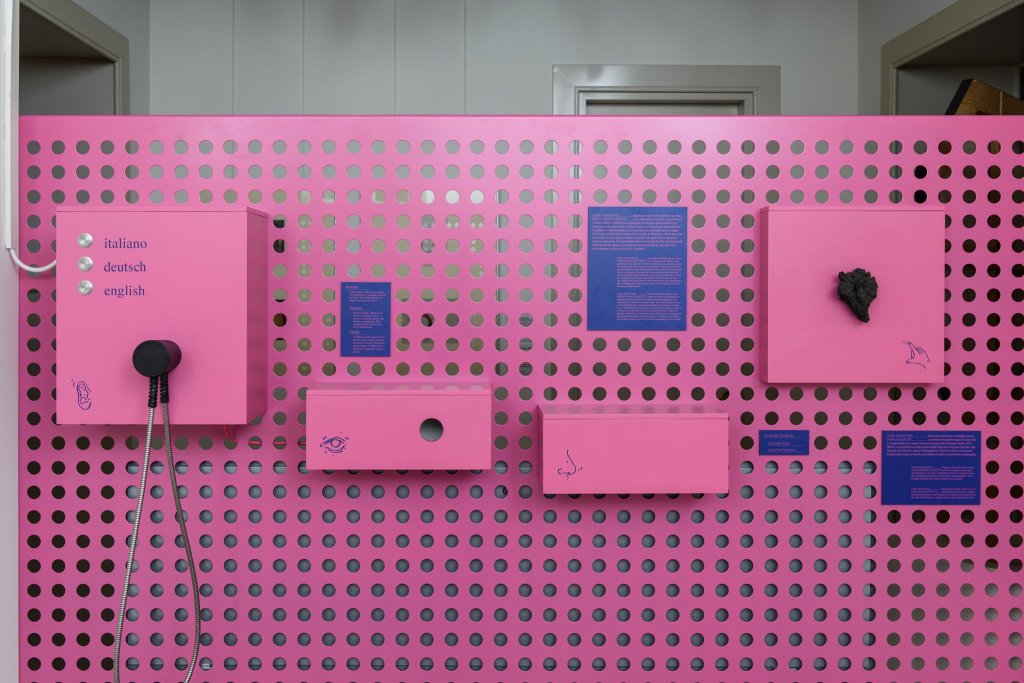
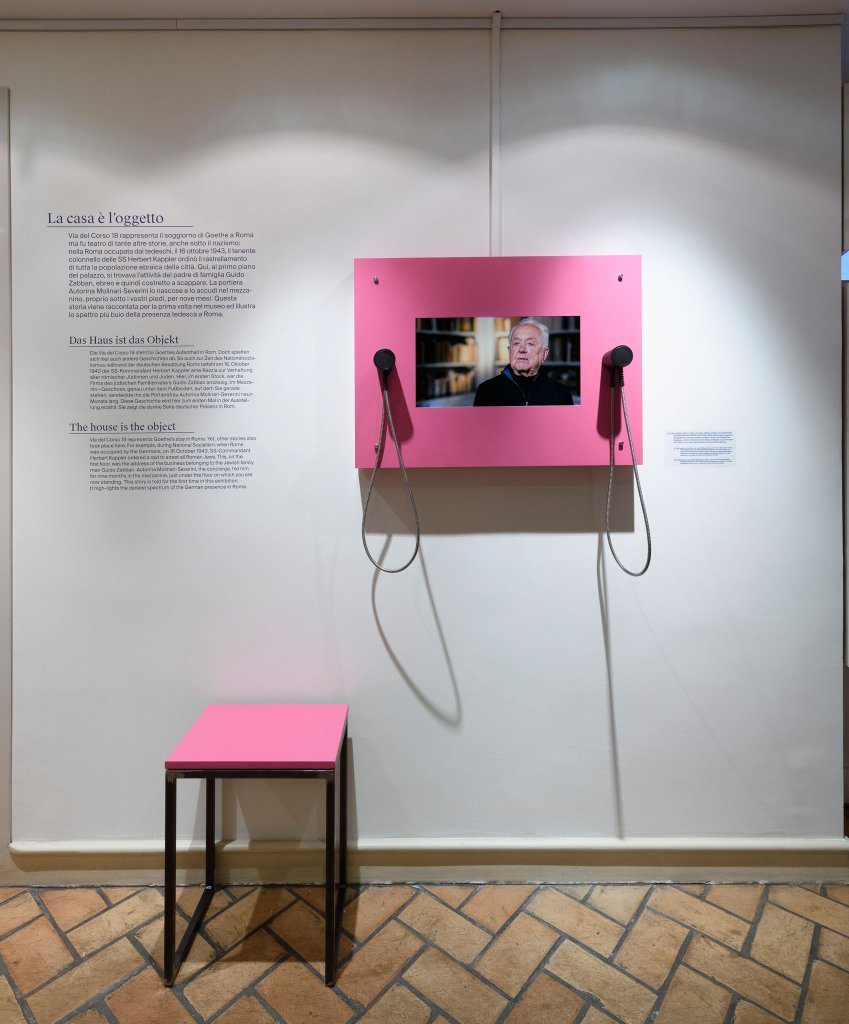
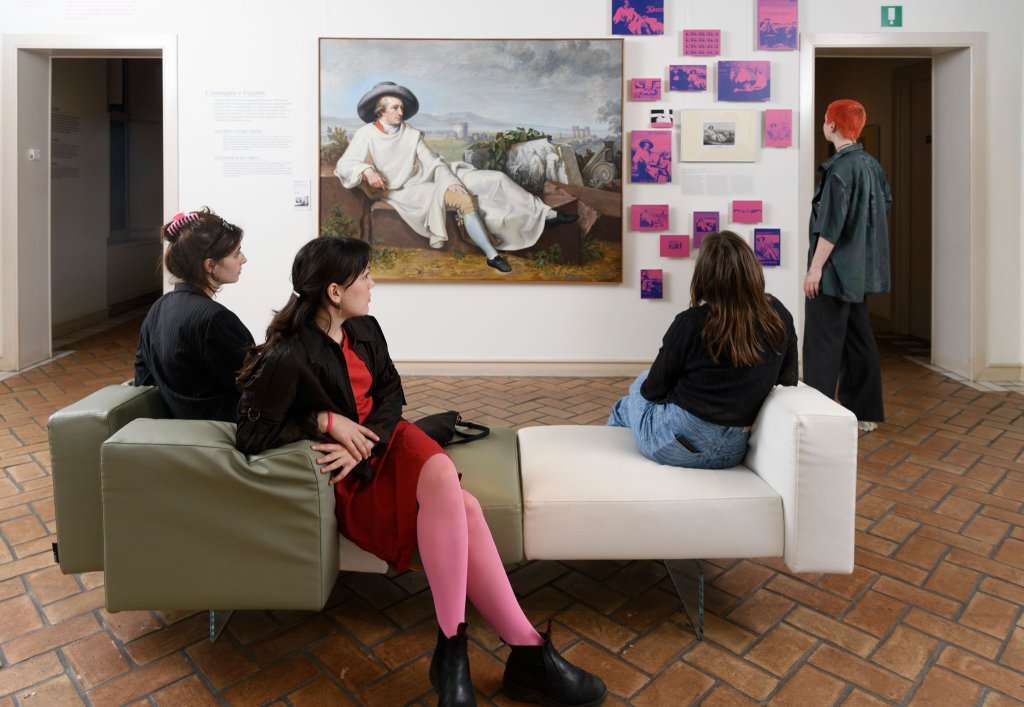
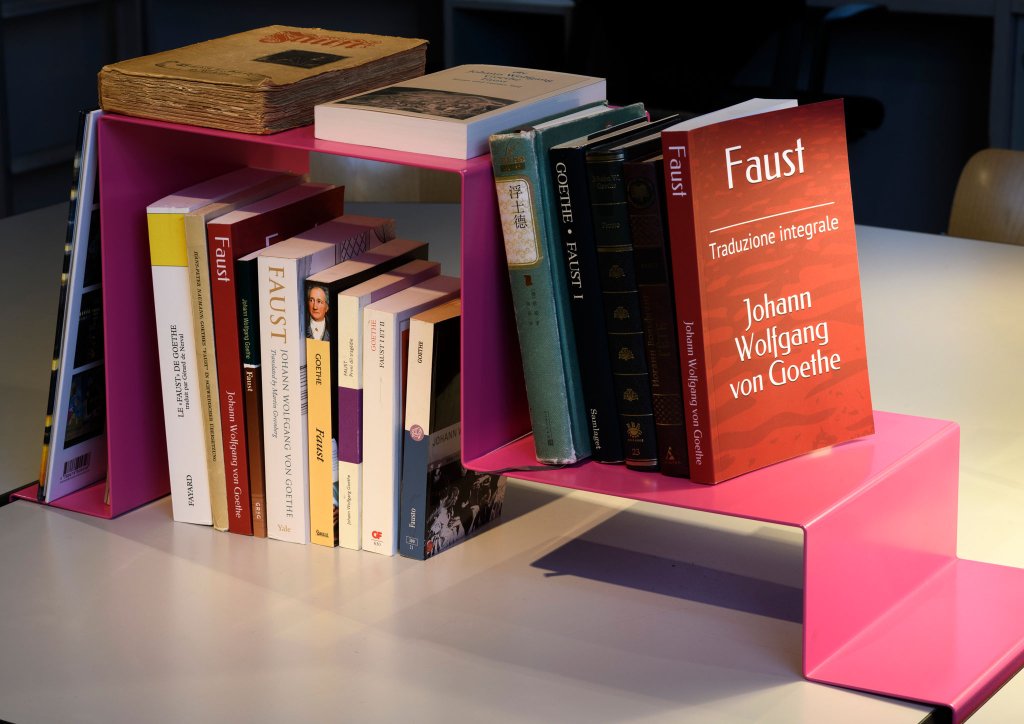
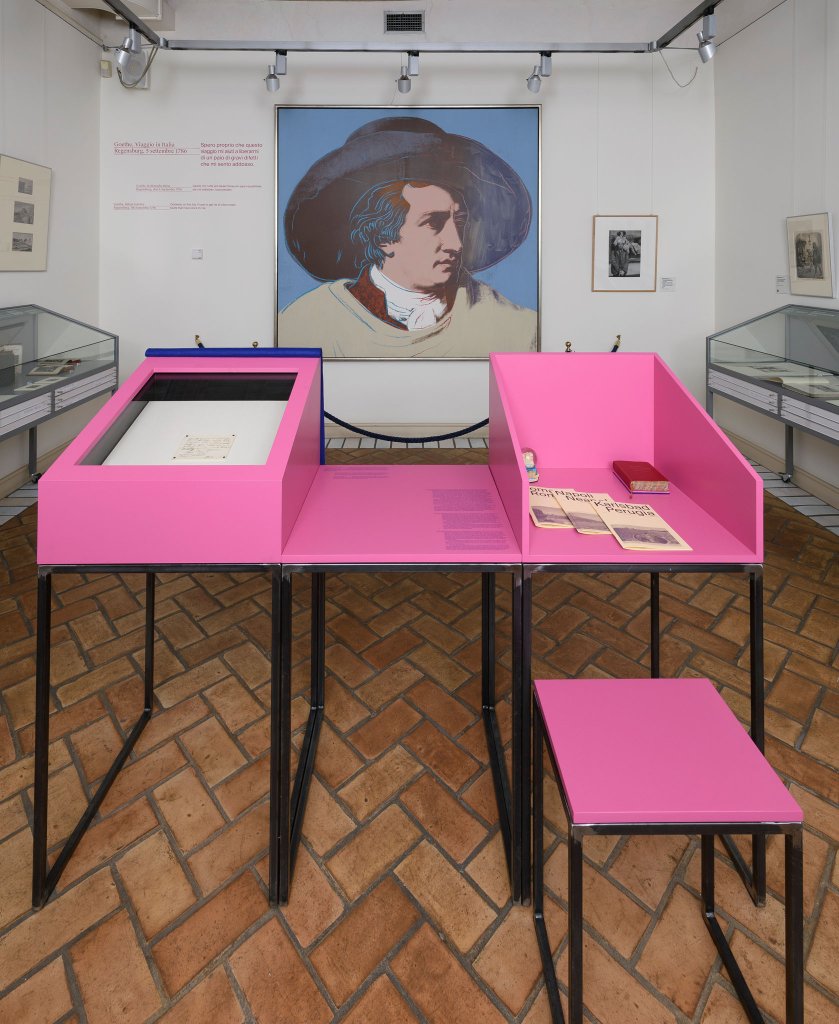
For installation works in occasion of its 25th birthday the museum will be closed from March 17 to 23.
Stories about travelling, the yearning for Italy, artists’ and other people’s stories about their stays in Rome, their encounters and experiences – a storytelling project of the AsKI e.V.!
To the website